

Sustainable Performance Under Pressure
In today’s uncertain and rapidly changing world of work, people face high and often relentless pressure.
At the right level, pressure can enhance performance.
But when excessive or poorly managed, it becomes harmful stress.
AURA helps organisations build Stress Intelligence — the capability to recognise, understand and manage workplace pressure so people and performance thrive sustainably.
Used in 20+ countries since 2016
Validated methodology · Scientifically grounded · Stress intelligence framework · Applied across individuals, teams and organisations
Why organisations struggle to manage stress effectively
Even well-intentioned organisations often struggle to manage stress effectively.
Four common barriers prevent early recognition and action:
Recognition Gap
Early warning signs of undue stress and burnout are often subtle, complex and easily overlooked.
Measurement Gap
Without measurement and benchmarks, stress becomes normalised and invisible within management systems.

Disclosure Barrier
Stigma, insecurity and lack of language can prevent employees from speaking openly about stress.
Systemic Drivers
Whilst experienced individually, stress is often caused by job design, misalignment between the personal and environment, leadership practices, team norms and organisational expectations
AURA addresses these barriers through a systemic ME–WE–US approach that combines insight, capability building and workplace design
Building Stress Intelligence
Sustainable performance is not achieved by eliminating stress — its achieved through better insight, stronger skills, healthier working conditions and alignment between people and roles.
Identify stress hotspots, early warning signals and burnout risks before performance and wellbeing are affected.
Healthy Environment
Improve ways of working, leadership practices and job design that create unnecessary pressure.
Equip individuals and managers with the skills to manage stress and sustain high performance.

Person-Role Fit
Ensure people are in roles where they can thrive through leadership and role-fit assessment.
The Science Behind Stress Intelligence
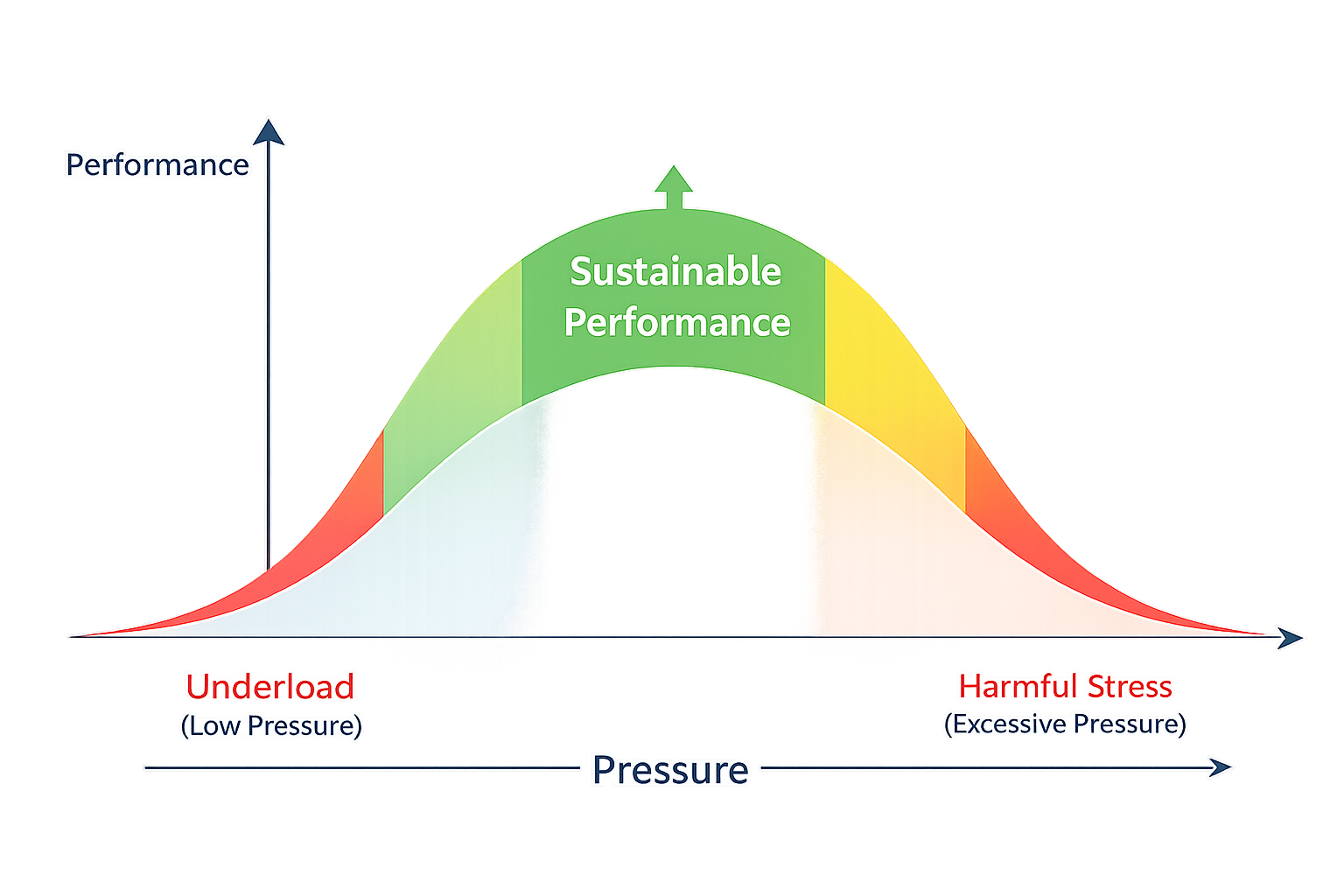
AURA helps organisations manage the tension between pressure that fuels performance and pressure that erodes it.
Stress is not weakness — it is data.
It signals when pressure is supporting performance - and when it is becoming harmful.
Sustainable performance depends on how organisations understand and manage the relationship between pressure, stress and performance.
AURA helps organisations build Stress Intelligence— the capability to measure, understand and manage this relationship so that stress remains helpful not harmful.
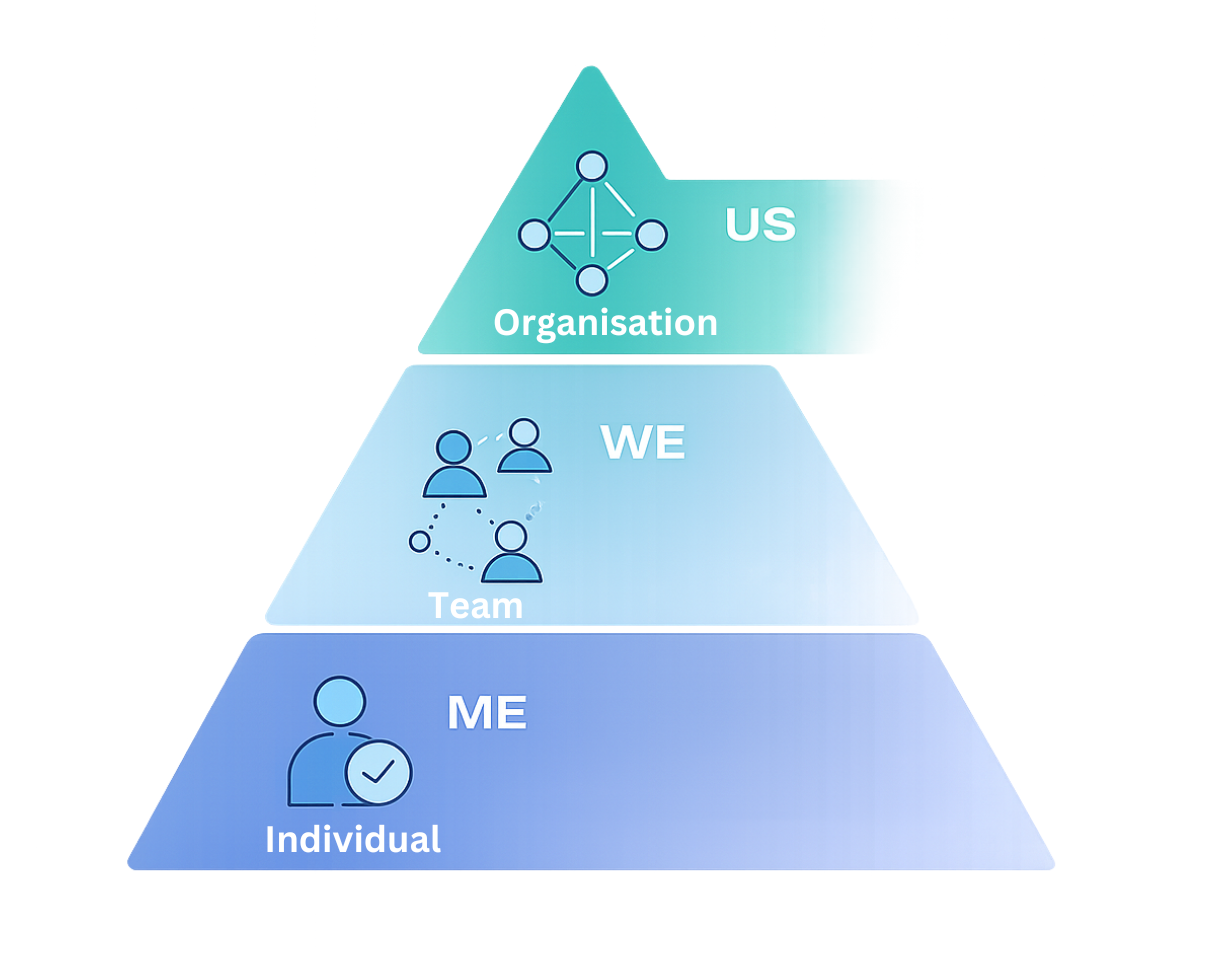
ME - WE - US Framework
Stress is not just an individual issue — it is shaped by teams, managers and organisational systems.
Meaningful improvement therefore requires focused action across three levels:
ME — individual awareness, personal resilience and person–role fit
WE — team ways of working, psychological safety and manager capability
US — organisational design, systems, culture and performance expectations
Trusted by leading organisations worldwide





What Clients Say
*
What Clients Say *
“We now believe measuring employee resilience is more important than measuring engagement”
Treesan Boonma, Head of APAC HR, Booking.com
"Our use of AURA was invaluable in assessing our resilience challenges both personally and as a team”
Maria Elkin, CEO, Equal Justice
"The team were able to uncover opportunities to create healthier habits and as a management team, we were able to better understand the pain points and put in place a targeted action plan to address these”
Sarah McLellan, Head of Professional Services, SHL
“Superb. I hadn’t realised how stress had been impacting me - and now I have practical tools to help me cope and be at my best”
Kylie Laidlaw, Associate Director, Headhunter
Founded by Rachel Austen
Chartered Occupational Psychologist • Creator of the AURA Framework • Leadership Assessor & Coach • Workplace Burnout Specialist

I’ve got 20 years of experience of working with organisations across over 30 countries.
I’ve spent my career helping people build self-awareness and enhance their performance — working with hundreds of leaders, teams and organisations around the world. This has given me deep insight into how workplaces function, the challenges leaders face and what people need to thrive.
Today, my work focuses on helping organisations sustain high performance under pressure without burnout, misfit or hidden stress risk.
With a background in occupational psychology and psychometric assessment, my work is grounded in rigorous psychological science and motivated by my own personal experience of burnout.
That is why I care deeply about early detection, practical intervention and meaningful impact.
I believe people can thrive at work without sacrificing their health and organisations can succeed without burning out their people.